
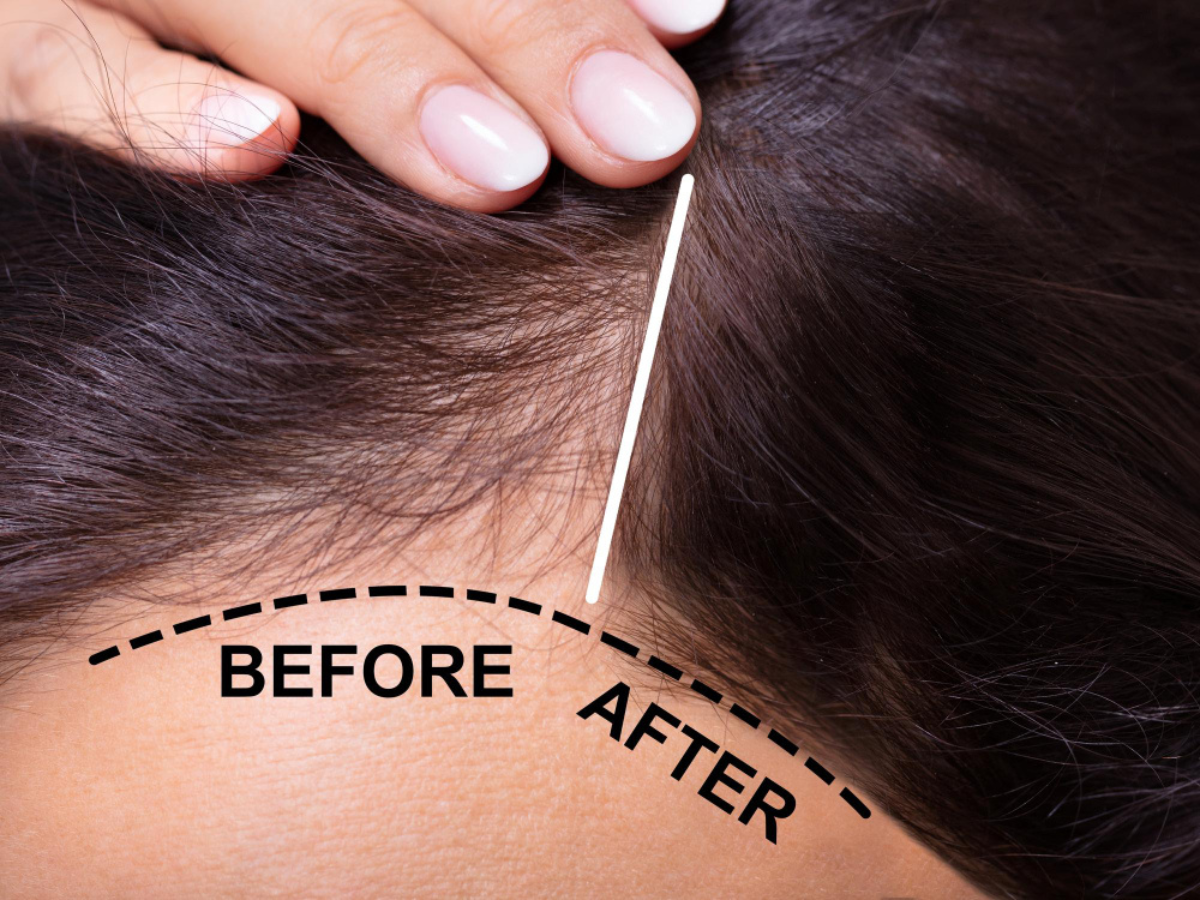
Hair loss can feel like a mystery. One day, everything seems fine. The next, there is more hair in the shower drain than usual, and the mirror shows a scalp that seems a little more visible than before.
Understanding what is happening requires a step back. Hair does not just fall out randomly. It follows a natural cycle, and when that cycle gets disrupted, problems arise.
This guide breaks down the science of hair growth Singapore residents need to understand—from the hair growth cycle to the factors that disrupt it, and finally, what actually helps regrowth happen.
The Hair Growth Cycle: How Hair Actually Grows
Hair does not grow continuously like a plant. It goes through distinct phases, and at any given time, different hairs on the same scalp are in different stages.
Anagen Phase (The Growing Phase)
This is the active growth phase. Cells in the hair follicle divide rapidly, producing new hair shaft. The length of this phase determines how long hair can grow.
- Duration: 2 to 7 years
- What happens: Hair grows about 1 cm per month
- Percentage of hair in this phase: 85% to 90%
People with longer anagen phases can grow longer hair. Genetics, age, and overall health all influence this phase.
Catagen Phase (The Transition Phase)
This is a short transitional phase where growth stops and the follicle begins to shrink.
- Duration: About 2 to 3 weeks
- What happens: Hair stops growing, and the follicle detaches from the blood supply
- Percentage of hair in this phase: 1% to 2%
Telogen Phase (The Resting Phase)
During this phase, the hair is fully formed and resting in the follicle. It is no longer growing but has not yet fallen out.
- Duration: 3 to 4 months
- What happens: The follicle rests while a new hair begins to form underneath
- Percentage of hair in this phase: 10% to 15%
At the end of telogen, the old hair sheds to make way for the new one. This is why losing 50 to 100 hairs per day is considered normal.
When the cycle gets disrupted—whether by stress, hormones, inflammation, or other factors—more hairs enter the telogen phase prematurely, or the anagen phase shortens. The result is visible thinning and shedding.
What Disrupts the Hair Growth Cycle in Singapore
Living in Singapore presents unique challenges to the hair growth cycle. Several factors can push healthy follicles into premature resting or shedding.
Climate and Sebum Production
Singapore’s high humidity triggers the scalp to produce more sebum. While some oil is necessary for a healthy scalp, excess sebum can trap dead skin cells and bacteria, leading to clogged follicles.
When follicles are clogged, the anagen phase can shorten, and inflammation can develop. Over time, this can lead to progressive thinning.
HairplusLab’s Hair Care Tips highlight the relationship between cholesterol in sebum and follicle health. When sebum hardens around the follicle opening, it creates a plug that prevents new hair from emerging properly.
Diet and Nutrition
Hair is made primarily of protein, and a diet lacking in essential nutrients can affect growth. Iron deficiency, in particular, is a common cause of hair loss, especially in women. Vitamin D, zinc, and B vitamins also play roles in healthy hair cycling.
Stress
Chronic stress pushes the body into survival mode. When this happens, non-essential functions like hair growth slow down. Stress hormones can trigger a condition called telogen effluvium, where a large number of hairs enter the resting phase at once. Shedding typically occurs 2 to 3 months after the stressful event.
Hormonal Changes
Hormonal fluctuations—whether from pregnancy, menopause, or thyroid issues—can significantly impact hair growth. Women often experience noticeable shedding several months after giving birth as hormone levels normalize.
Genetics
Androgenetic alopecia, commonly known as male or female pattern baldness, is genetically determined. In this condition, follicles gradually shrink over time, producing thinner, shorter hairs until eventually, growth stops altogether.
How Scalp Treatment Creates the Right Environment for Growth
Understanding the hair growth cycle makes it clear why scalp treatment for hair loss is so important. No growth product can work if the scalp environment is unhealthy.
Professional hair fall scalp treatment focuses on removing the barriers that disrupt the cycle.
Clearing Clogged Follicles
When follicles are blocked by hardened sebum and buildup, new hair cannot emerge. Deep cleansing treatments remove these blockages, allowing the follicle to function normally again.
Reducing Inflammation
Chronic inflammation around follicles can lead to scarring, which permanently damages the follicle. Anti-inflammatory treatments—whether herbal or using red light therapy—help calm this inflammation before it causes permanent damage.
Improving Circulation
Hair follicles rely on a steady supply of oxygen and nutrients delivered through blood. Treatments that stimulate circulation, such as scalp massage and red light therapy, help ensure follicles get what they need to maintain the anagen phase.
Balancing the Scalp Microbiome
A healthy scalp has a balanced ecosystem of bacteria and fungi. When that balance tips—often due to excess oil or harsh products—issues like dandruff and inflammation arise. Restoring balance creates an environment where hair can thrive.
The Role of Hair Tonic in Supporting Regrowth
Once the scalp environment is healthy, ongoing maintenance becomes important. This is where products like hair tonic regrow formulations come in.
A good hair tonic is not a standalone solution for advanced hair loss, but it plays a crucial supporting role. Used consistently, it can:
- Maintain a clean, balanced scalp between professional treatments
- Deliver stimulating ingredients to follicles
- Support circulation and nutrient delivery
- Extend the results achieved through in-salon care
The best hair tonic for any individual depends on their scalp type. Some tonics focus on oil control, while others emphasize circulation and growth stimulation. Using the wrong one can be counterproductive, which is why professional guidance matters.
Organic Hair Regrowth Solutions: Working With the Body
Many people in Singapore are turning away from harsh chemical treatments and toward organic hair regrowth solutions. The appeal is simple: natural ingredients work with the body’s processes rather than forcing a reaction.
Herbal ingredients like ginseng, fleece flower root, and Chinese angelica have been used for centuries to support hair health. Modern research has begun to validate these traditional uses.
Studies have shown that ginseng contains compounds that stimulate hair follicles and prolong the anagen phase. He Shou Wu (fleece flower root) is rich in antioxidants that protect follicles from damage and support pigmentation.
Organic solutions tend to be gentler than chemical alternatives. They are less likely to cause the irritation and rebound effects associated with harsh treatments. For many, this makes them a sustainable long-term option.
What to Expect from Professional Treatment
For those seeking professional help from a trusted Singapore hair salon, understanding realistic timelines is important.
Initial Consultation and Scalp Analysis
The first step is always a thorough scalp analysis. A magnified view of the scalp reveals:
- Which follicles are active and which are dormant
- Where inflammation or buildup exists
- The current density and thickness of hair
- Early signs of follicle shrinkage
Early Phase (First 4 to 6 Weeks)
During the first weeks of treatment, most people notice:
- Reduced shedding
- Less scalp oiliness or irritation
- Overall feeling of scalp cleanliness
- No visible new growth yet—this takes time
Active Growth Phase (2 to 4 Months)
By this stage, scalp scans often show:
- Clearer follicles
- New “baby hairs” emerging
- Improved density in thinning areas
- Clients begin to see visible differences
Continued Improvement (4 to 12 Months)
As the treatment continues:
- New hairs thicken and lengthen
- Overall density improves
- Scalp remains balanced with proper maintenance
- Results become stable and sustainable
Every individual responds differently. Age, genetics, the duration of hair loss, and adherence to the treatment plan all affect outcomes.
The Singapore Hair Salon Advantage
Not all salons approach hair growth the same way. A reputable Singapore hair salon like HairplusLab brings several advantages.
Diagnostic Expertise
Hair loss can have many causes—genetics, hormones, stress, nutrition, or a combination. A proper diagnosis requires looking at the scalp, understanding the client’s history, and sometimes recommending further testing. Without diagnosis, treatment is guesswork.
Customized Treatment Plans
No two scalps are identical. A plan that works for one person may not work for another. Good salons build treatment plans around what the scalp analysis reveals, not a one-size-fits-all package.
Evidence-Based Modalities
The best salons use approaches with research behind them. Low-level laser therapy, for example, has clinical evidence supporting its role in hair regrowth. Herbal formulations with traditional roots also have growing scientific support.
Long-Term Support
Hair growth is not a one-time fix. Good salons provide ongoing support, monitoring progress and adjusting plans as needed. They also educate clients on how to maintain results long-term.
Frequently Asked Questions (FAQs)
1. How long does the hair growth cycle last?
The full cycle from the start of anagen to the shedding of the hair takes about 3 to 7 years, depending on genetics. The anagen (growth) phase is the longest, lasting 2 to 7 years. The telogen (resting) phase lasts about 3 to 4 months.
2. Why am I losing more hair than usual?
Increased shedding can be triggered by stress, hormonal changes, illness, nutritional deficiencies, or scalp inflammation. If shedding persists for more than a few weeks, a scalp analysis can help identify the cause.
3. Can hair grow back after thinning?
Yes, in many cases. If follicles are still active but have been in a prolonged resting phase, proper treatment can reactivate them. If follicles have been permanently scarred or miniaturized beyond recovery, regrowth may be limited. A scalp analysis shows the current state of the follicles.
4. What role does diet play in hair growth?
Hair is made of protein, and deficiencies in iron, zinc, vitamin D, and B vitamins can affect growth. A balanced diet supports healthy hair cycling, but diet alone usually cannot reverse advanced hair loss without additional treatment.
5. How does hair tonic help with regrowth?
A good hair tonic supports scalp health between professional treatments. It can help maintain a clean follicle environment, deliver stimulating ingredients, and support circulation. It works best as part of a comprehensive treatment plan rather than a standalone solution. For recommendations tailored to individual needs, consult HairplusLab.
Citations
- National Center for Biotechnology Information – Hair Growth-Promoting Mechanisms of Red Ginseng Extract through Stimulating Dermal Papilla Cell Proliferation and Enhancing Skin Health (2021)
https://pubmed.ncbi.nlm.nih.gov/34737988/ - Dermatology Advisor – Low-Level Laser, LED Therapy Is Efficacious for Androgenetic Alopecia (2024)
https://www.dermatologyadvisor.com/news/low-level-laser-led-therapy-efficacious-androgenetic-alopecia/ - Korea Citation Index – Low-level laser therapy in androgenetic alopecia: narrative review (2025)
https://www.kci.go.kr/kciportal/ci/sereArticleSearch/ciSereArtiView.kci?sereArticleSearchBean.artiId=ART002942136 - HealthHub Singapore – Hair Loss: Causes and Treatments
https://www.healthhub.sg/live-healthy/1420/hair-loss - HairplusLab Official Website – Hair Growth Treatments and Consultations
https://www.hairpluslab.sg
Disclaimer: This article is for informational purposes only and does not constitute medical advice. Results may vary from person to person. Please consult a qualified healthcare professional or trichologist for advice specific to your condition.


