

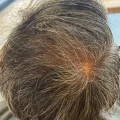
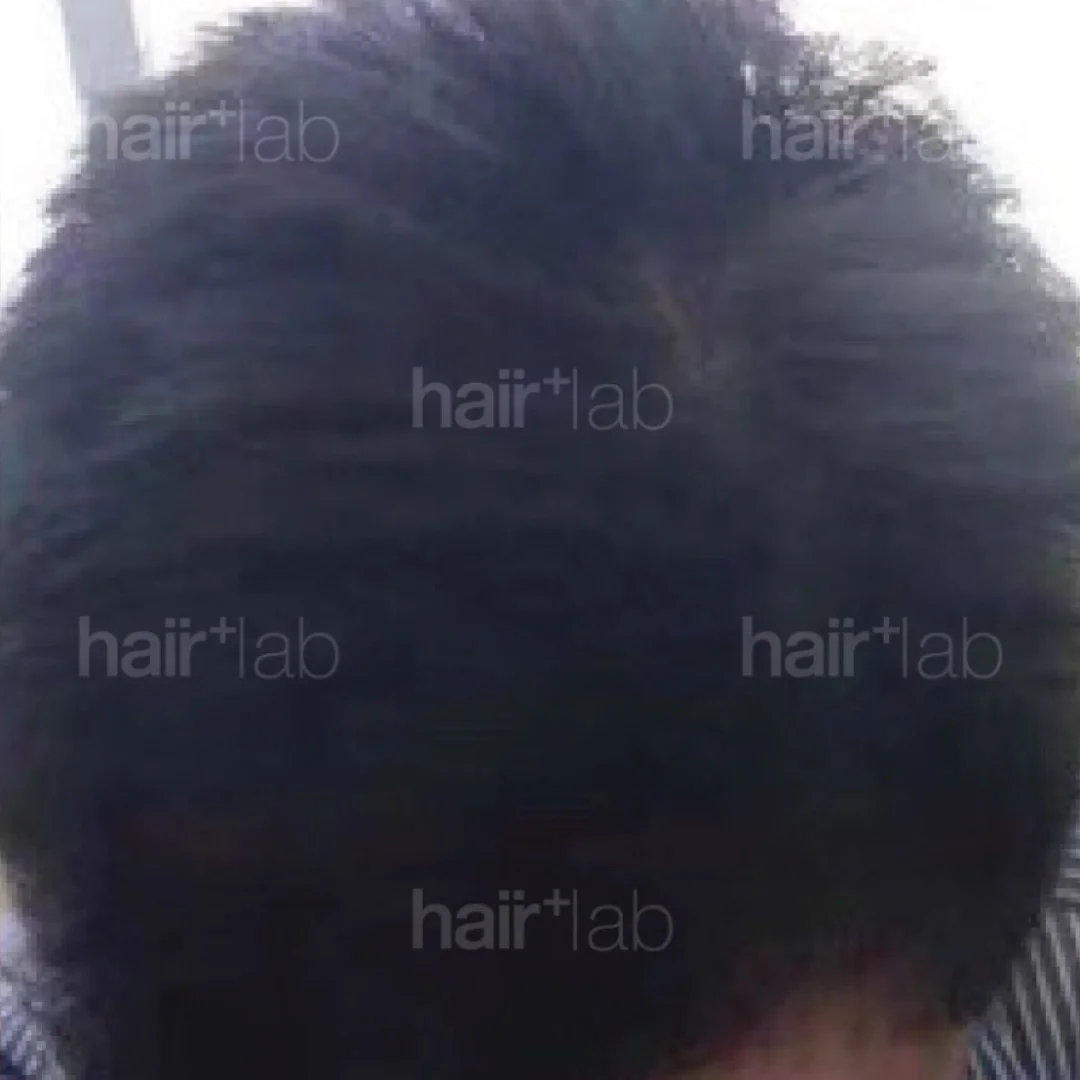
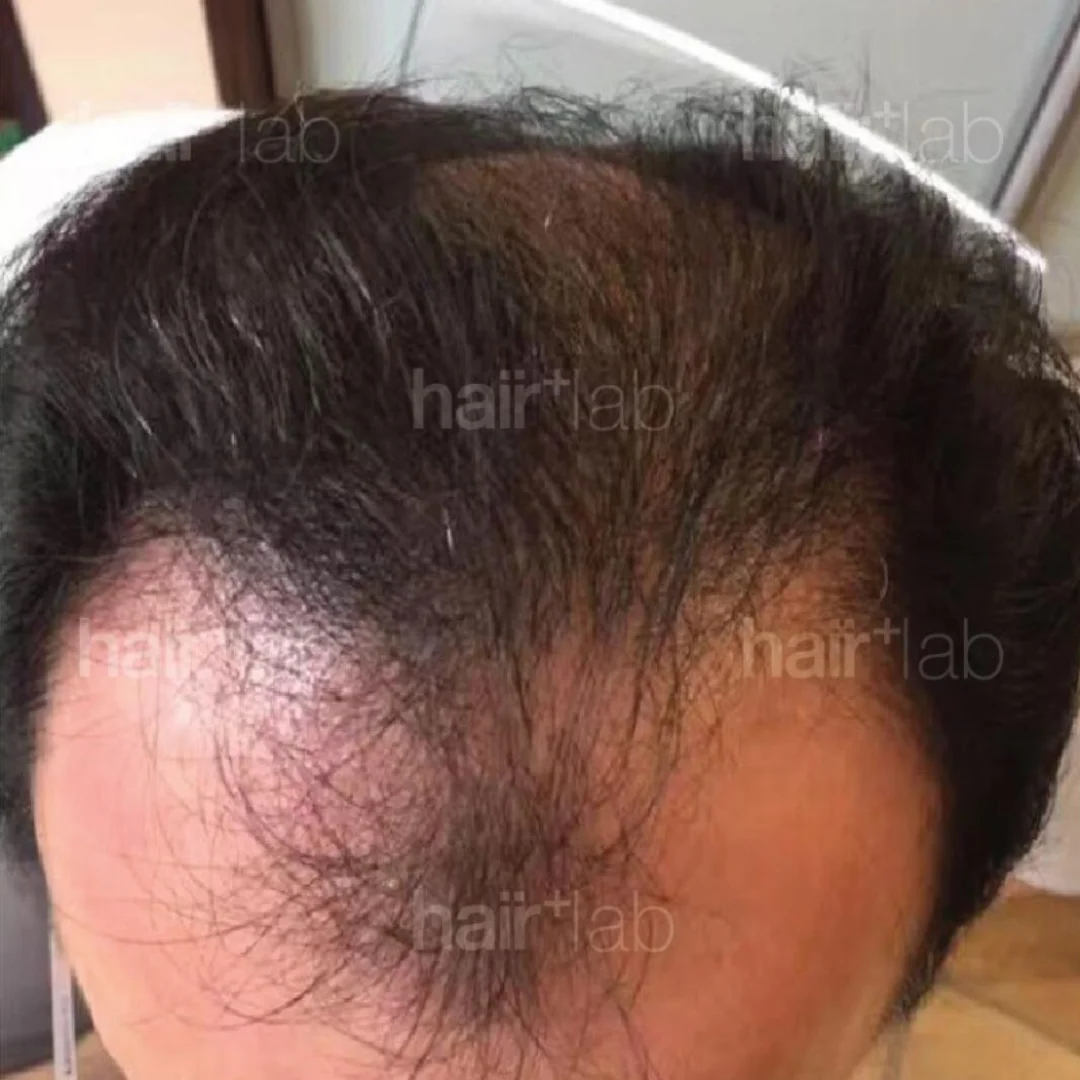
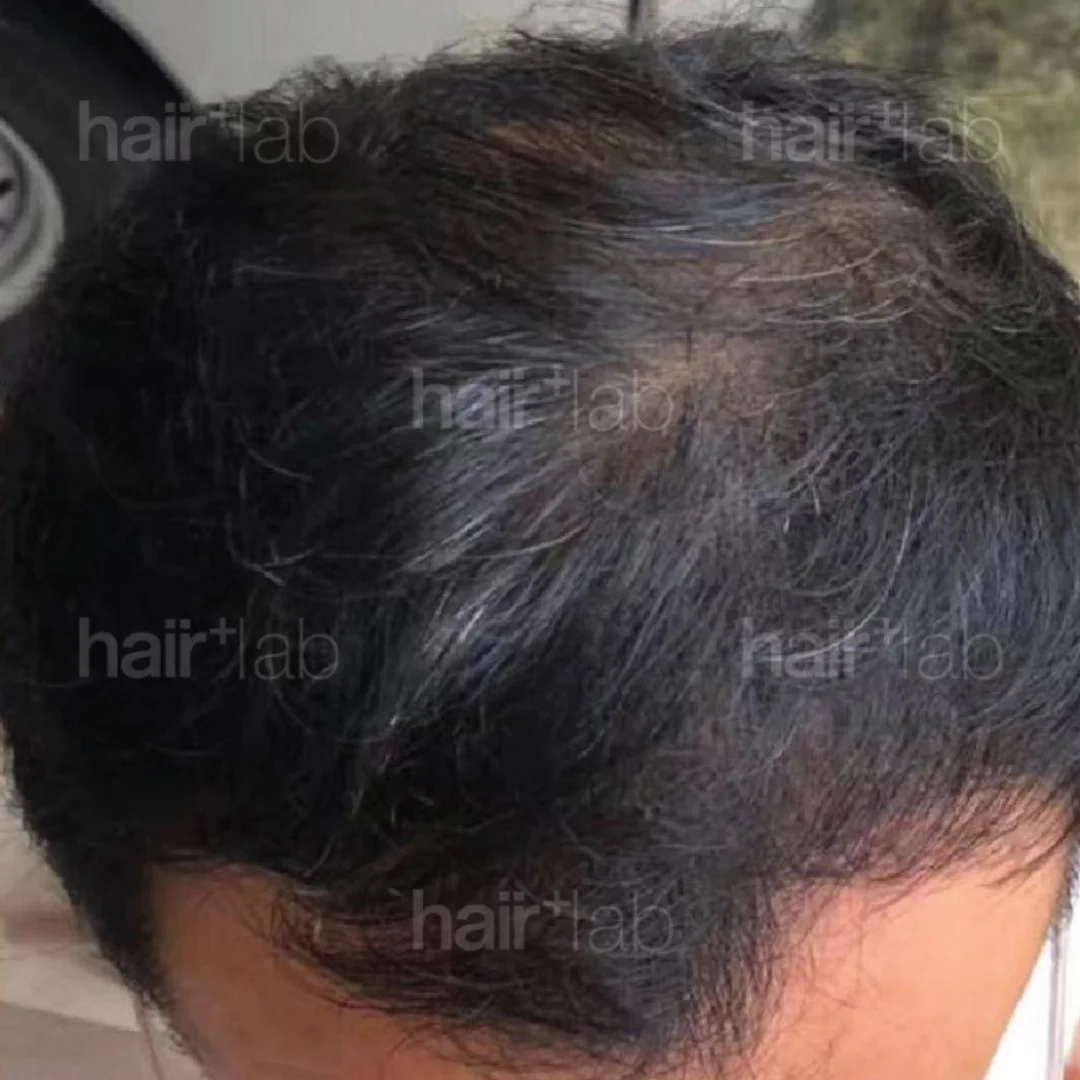
“嗨,我是Amos Wong,我是一名新加坡人。在遇到海铂斯之前,我的头发掉得很厉害,越来越少。我感到非常沮丧。我尝试了很多其他的护发产品,但没有看到任何效果,所以我放弃了。之后我遇到了海铂斯,我真的很感激。起初,我有点怀疑,但我还是决定尝试,因为我认为既然开始使用它,就应该选择相信它。我开始每天使用,经过两个月,我真的看到了效果。现在我的头发越来越浓密,我的妻子也告诉我,效果确实很明显。我非常感激能够了解海铂斯并使用这个产品。我期待下次看到更明显的效果,因为我相信它会更好。谢谢。”
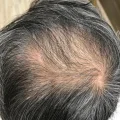


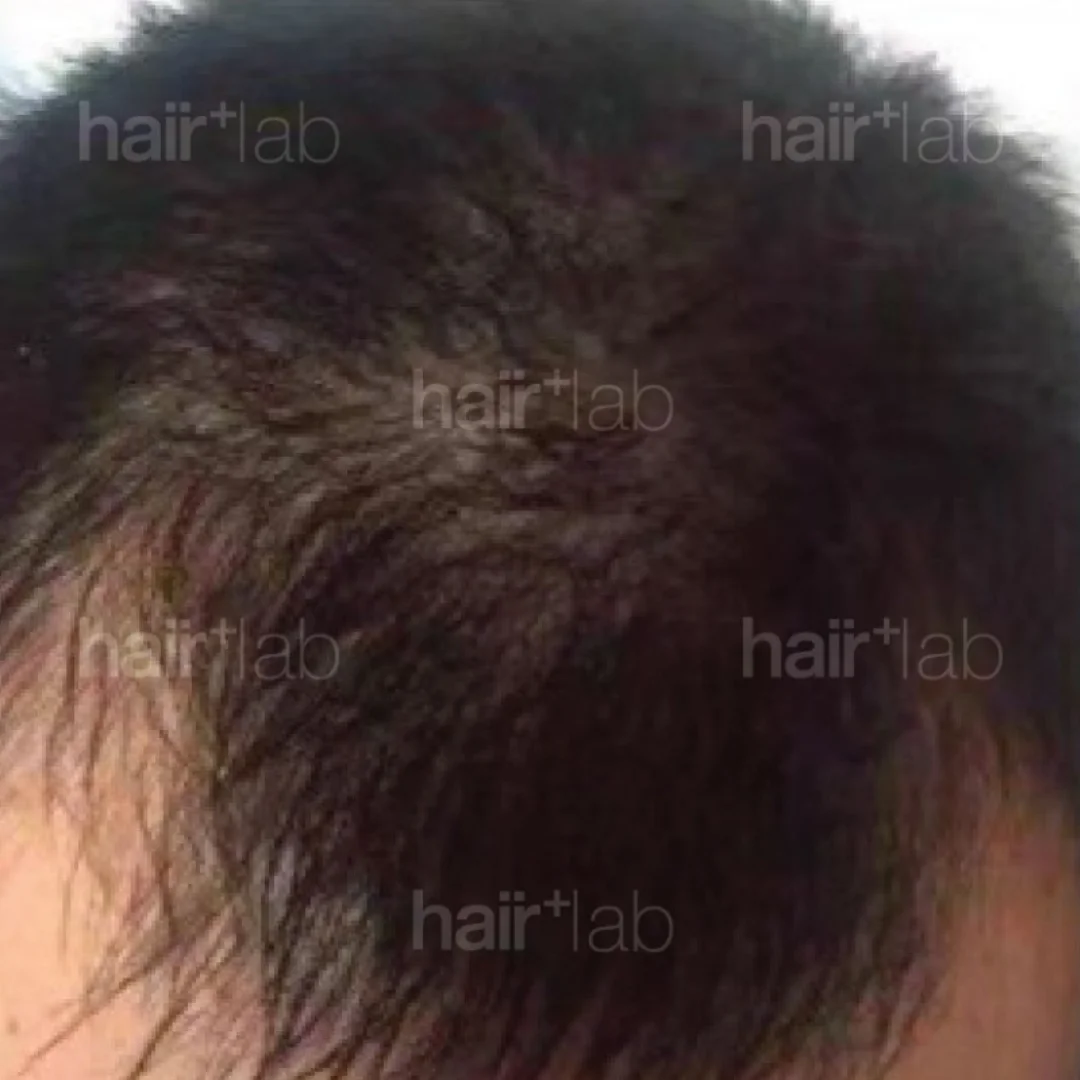
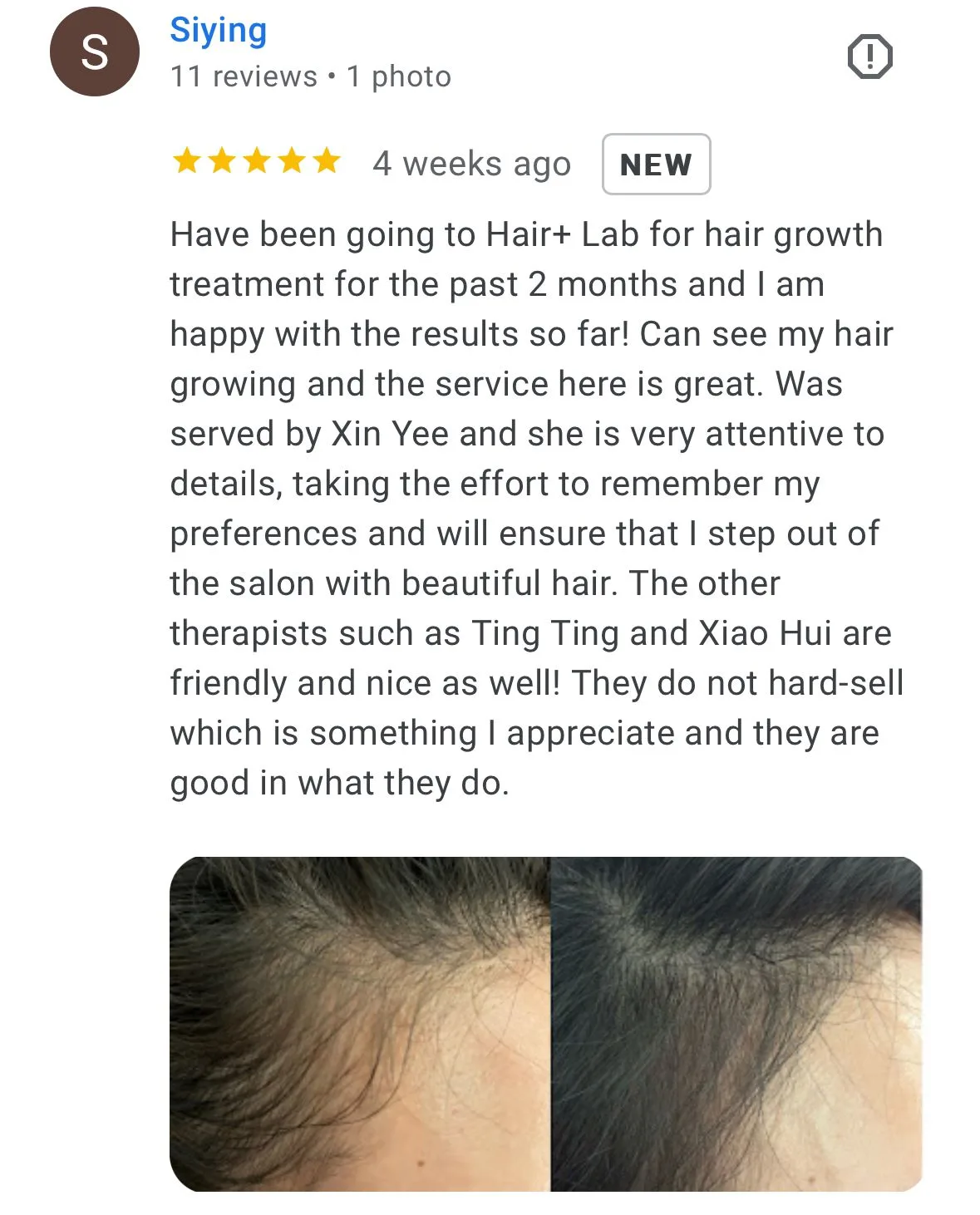
之前
之后
M型脱发指的是前额发际线后退,因脱发形成类似“M”形的轮廓。实际上,M型发际线在男性中较为常见。如果头顶脱发严重,甚至可能导致秃顶。另一方面,女性的发际线通常不会后退,女性脱发更多表现为头发逐渐变细、变稀疏。
脱发可发生在男性和女性身上,但其模式和严重程度有所不同。男性脱发主要发生在前额、两侧额角和头顶,而女性脱发通常呈弥漫性,集中在头顶部位。脱发的原因是正常的终端毛囊逐渐转变为绒毛毛囊,产生更细软的头发。到了后期,毛囊可能会萎缩,导致更严重的脱发。
之前
之后
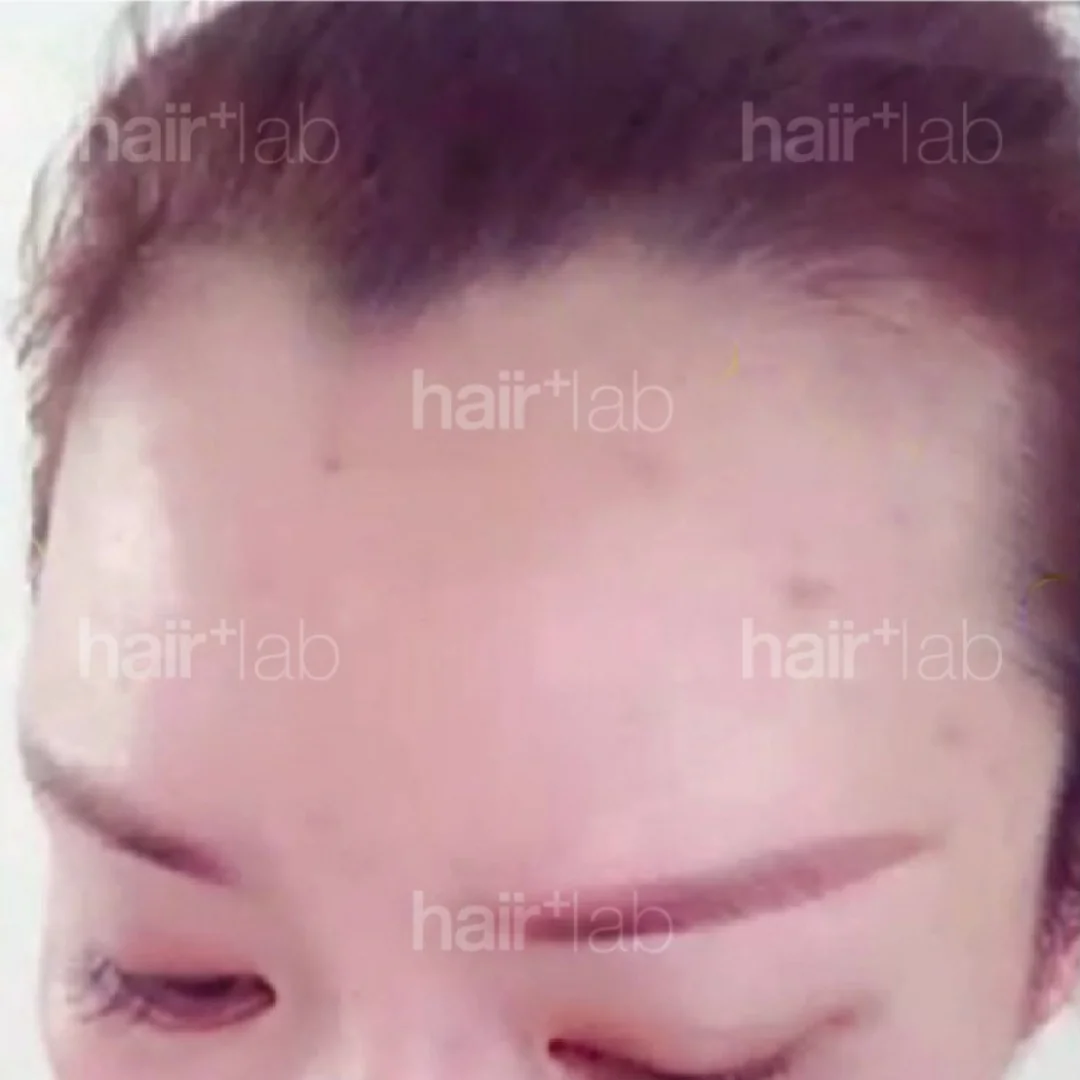

之前
之后
在怀孕期间,女性体内的雌激素水平升高,有助于保留原本会脱落的头发,因此这段时间头发通常会显得更浓密。当宝宝出生后,母亲的激素水平逐渐恢复到孕前状态。除了正常的脱发外,那些被“延长寿命”的头发也开始脱落,因此在梳头或洗头时,可能会感觉掉发增多。实际上,产后脱发是一种正常的生理现象,并非由于传统观念所认为的“坐月子期间不洗头或不梳头会导致头痛和脱发”。
通常被称为“鬼剃头”的脱发症包括三种类型:斑秃、全秃和普秃。它们的原因和治疗方法通常相似,主要在临床表现的严重程度上有所不同。斑秃通常表现为头皮上突然出现局部的脱发斑块,形状为圆形或椭圆形,大小不一,边界清晰。受影响区域完全没有头发,没有炎症或明显症状,通常是意外发现。在严重的情况下,可能会发展为全秃,极端情况下甚至会导致眉毛、腋毛和阴毛脱落。这种状况可能持续几个月到几年,但通常会自行缓解。
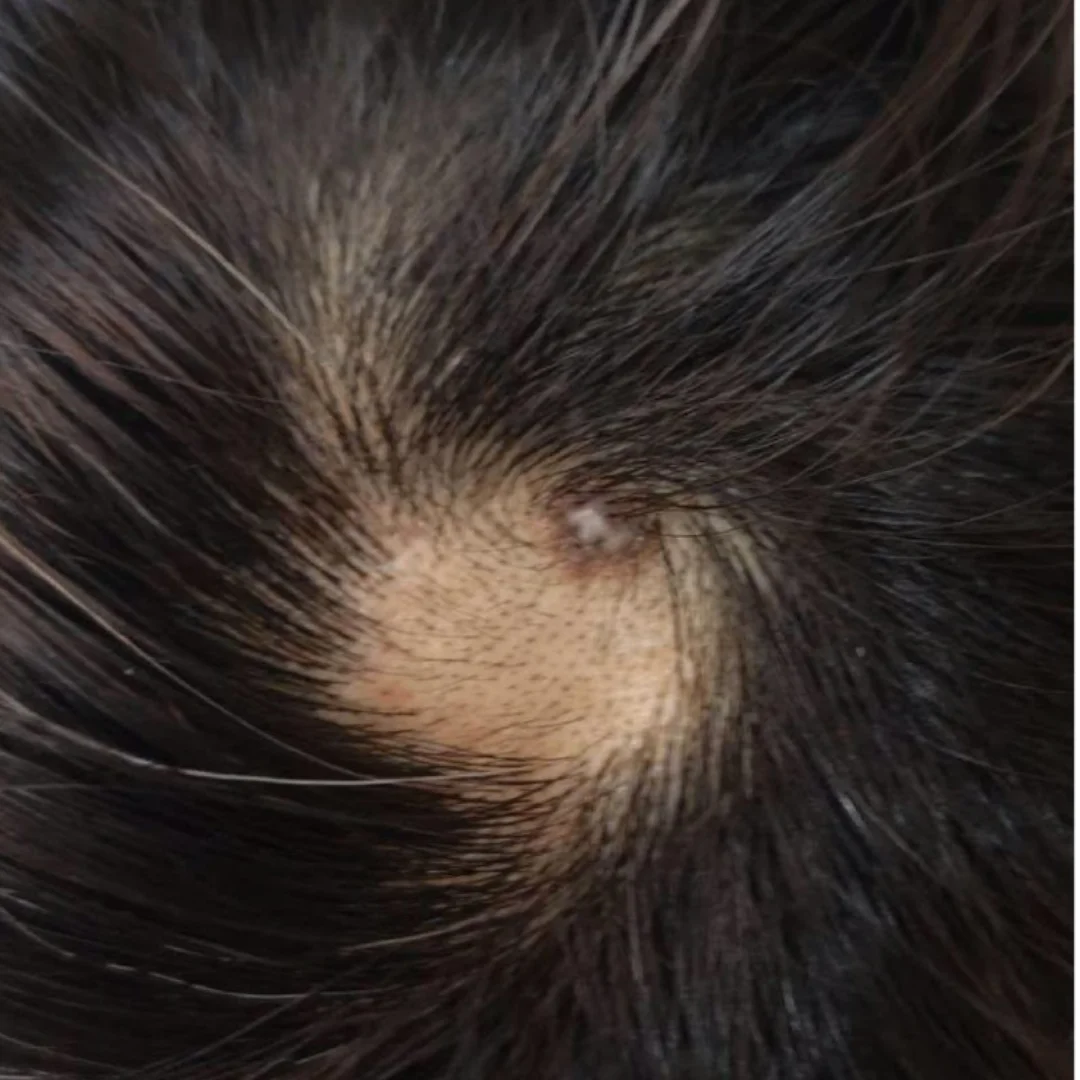
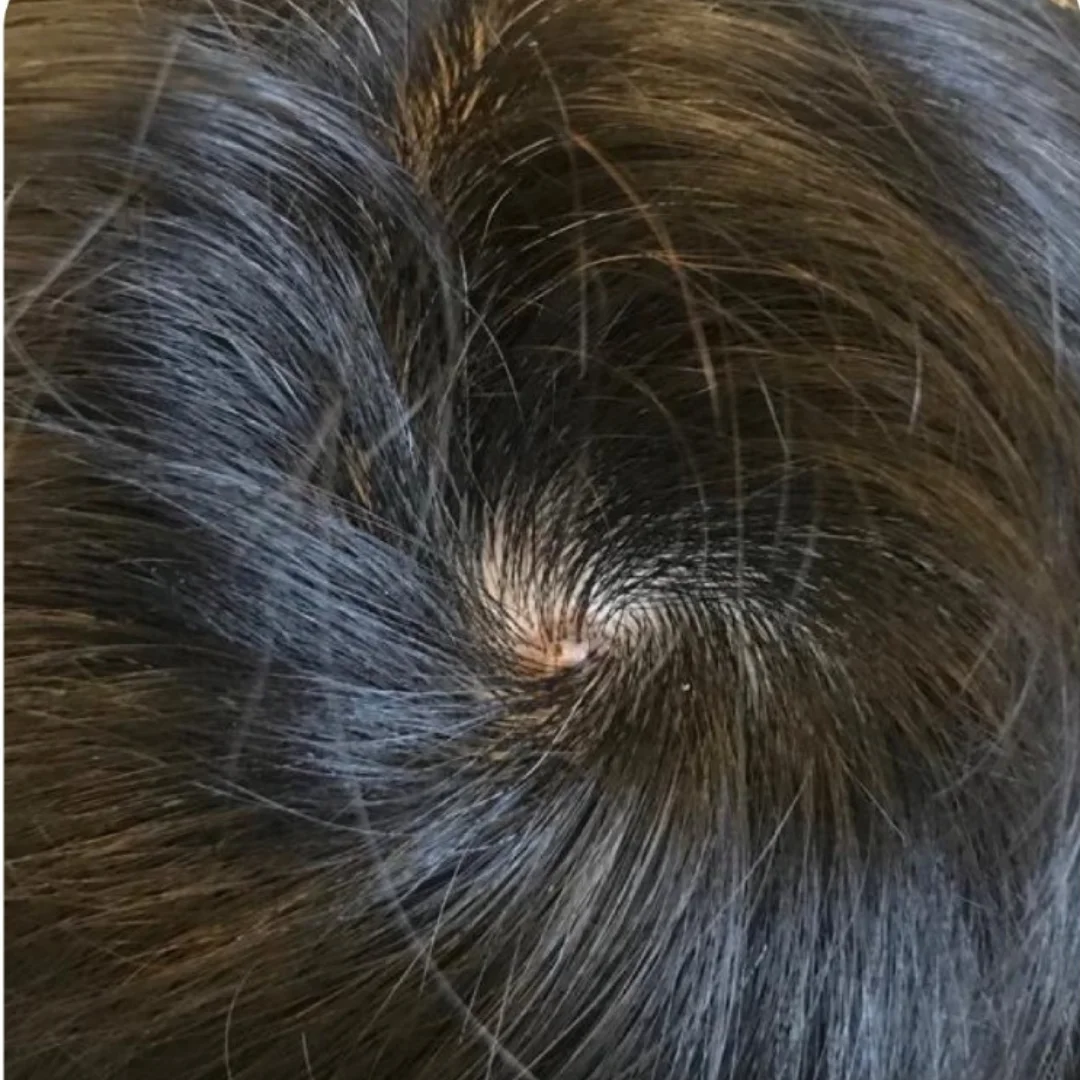
之前
之后
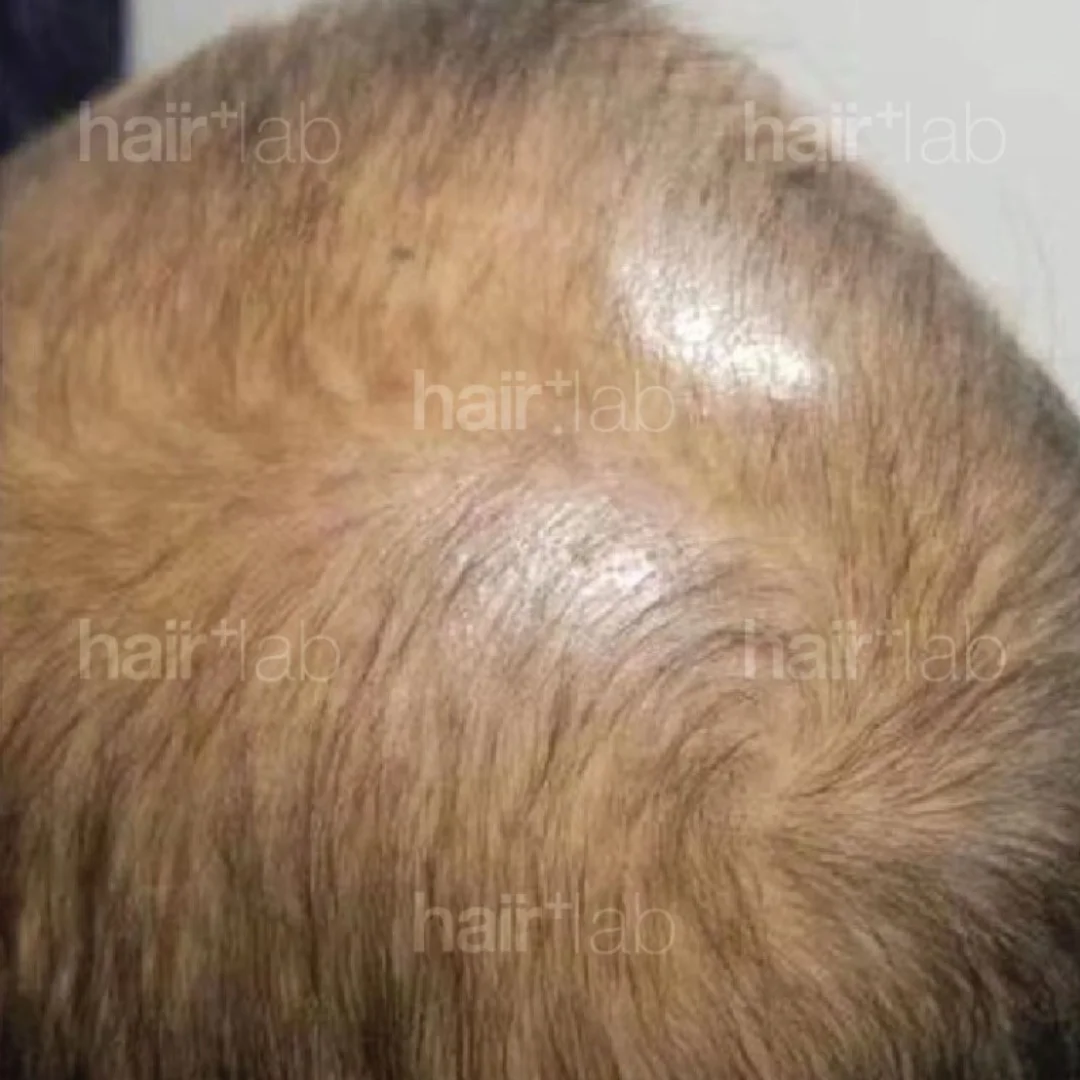
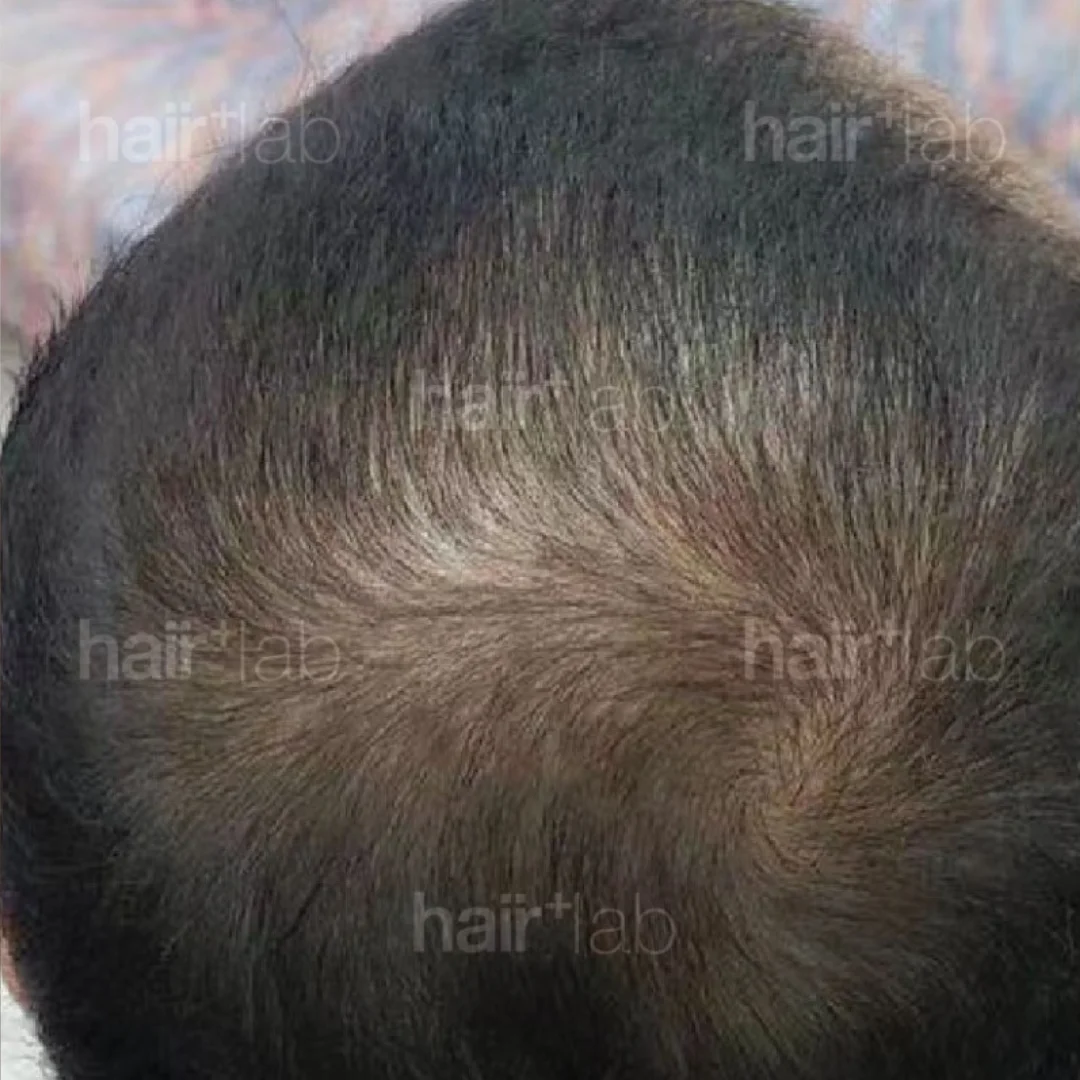
之前
之后
雄激素性脱发,也称为脂溢性脱发、男性型秃发或遗传性脱发,其特点是头皮油脂分泌过多,常伴有头皮屑增多、头皮油腻和明显的瘙痒。它通常发生在年轻和中年成年人中,这些人群的皮脂腺活跃。患者的头发通常较细软,有些人可能还会在头皮上出现脂溢性皮炎的症状。脱发通常从头顶逐渐开始,向前额扩展,最终弥散到整个头顶。头皮看起来油腻,呈现出光泽的红色,并有黄色的油腻结痂。
M型脱发指的是前额发际线后退,因脱发形成类似“M”形的轮廓。实际上,M型发际线在男性中较为常见。如果头顶脱发严重,甚至可能导致秃顶。另一方面,女性的发际线通常不会后退,女性脱发更多表现为头发逐渐变细、变稀疏。
脱发可发生在男性和女性身上,但其模式和严重程度有所不同。男性脱发主要发生在前额、两侧额角和头顶,而女性脱发通常呈弥漫性,集中在头顶部位。脱发的原因是正常的终端毛囊逐渐转变为绒毛毛囊,产生更细软的头发。到了后期,毛囊可能会萎缩,导致更严重的脱发。
在怀孕期间,女性体内的雌激素水平升高,有助于保留原本会脱落的头发,因此这段时间头发通常会显得更浓密。当宝宝出生后,母亲的激素水平逐渐恢复到孕前状态。除了正常的脱发外,那些被“延长寿命”的头发也开始脱落,因此在梳头或洗头时,可能会感觉掉发增多。实际上,产后脱发是一种正常的生理现象,并非由于传统观念所认为的“坐月子期间不洗头或不梳头会导致头痛和脱发”。
通常被称为“鬼剃头”的脱发症包括三种类型:斑秃、全秃和普秃。它们的原因和治疗方法通常相似,主要在临床表现的严重程度上有所不同。斑秃通常表现为头皮上突然出现局部的脱发斑块,形状为圆形或椭圆形,大小不一,边界清晰。受影响区域完全没有头发,没有炎症或明显症状,通常是意外发现。在严重的情况下,可能会发展为全秃,极端情况下甚至会导致眉毛、腋毛和阴毛脱落。这种状况可能持续几个月到几年,但通常会自行缓解。
雄激素性脱发,也称为脂溢性脱发、男性型秃发或遗传性脱发,其特点是头皮油脂分泌过多,常伴有头皮屑增多、头皮油腻和明显的瘙痒。它通常发生在年轻和中年成年人中,这些人群的皮脂腺活跃。患者的头发通常较细软,有些人可能还会在头皮上出现脂溢性皮炎的症状。脱发通常从头顶逐渐开始,向前额扩展,最终弥散到整个头顶。头皮看起来油腻,呈现出光泽的红色,并有黄色的油腻结痂。
“嗨,我是Amos Wong,我是一名新加坡人。在遇到海铂斯之前,我的头发掉得很厉害,越来越少。我感到非常沮丧。我尝试了很多其他的护发产品,但没有看到任何效果,所以我放弃了。之后我遇到了海铂斯,我真的很感激。起初,我有点怀疑,但我还是决定尝试,因为我认为既然开始使用它,就应该选择相信它。我开始每天使用,经过两个月,我真的看到了效果。现在我的头发越来越浓密,我的妻子也告诉我,效果确实很明显。我非常感激能够了解海铂斯并使用这个产品。我期待下次看到更明显的效果,因为我相信它会更好。谢谢。”

“嗨,我是王科,我曾是脱发的受害者。在新加坡生活多年,由于炎热的天气、工作压力和熬夜,我的脱发问题已经持续了将近三年。我的同事们看我的眼神都变了,让我感到自卑。在工作中,我的态度也不像以前那样充满热情,总觉得自己活在别人的目光审视下,压力很大。有一次,在和朋友聚会时,我注意到其中一位朋友在使用某款生发产品,而且效果非常显著,于是我向他询问。其实,在此之前,我已经在网上搜索并购买了很多生发产品,但都没有明显改善。那位朋友告诉我,他用的就是 Hair+Lab。当我上网查找资料时,发现 Hair+Lab 是新加坡研发的产品。我特地去公司了解,发现他们不仅提供头发护理服务,而且产品还结合了高科技技术。刚开始,我对产品的效果还有些犹豫,但还是决定买一套试试。使用 Hair+Lab 约一个月后,我发现头发状况确实有所改善。再坚持使用 3 到 4 个月后,同事们开始问我最近用了什么产品,觉得我的发质明显变好了。重新拥有浓密乌黑的头发,让我的自信心瞬间恢复。这款产品的使用方法非常简单,可以在家轻松完成。而且,它真的实现了我想要的效果!海铂斯不仅提升了我的形象,还让我从 80 分的满意度提升到了 90 分。现在,很多同事都在问我用的是什么产品,在哪里买的?我已经向他们推荐了海铂斯,他们使用后也觉得效果非常好。我愿意为海铂斯代言!”
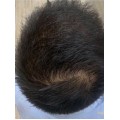

“大家好,我是 Li Hua,从事装修行业。由于从事装修工作,我接触到的灰尘更多,导致我的皮肤和头皮变得油腻。一次和张翔聊天时,他建议我更好地了解一下海铂斯,他自己也在使用这个产品,而且效果非常好。于是我决定试试看。购买了一套产品后,我发现包装设计非常吸引人。生发水 的滚珠设计每天只需要 2 分钟,早晚各使用一次。使用了差不多 2 个月后,效果非常明显。我的头发不再油腻,发质变得更加浓密和强韧,发际线也有了显著改善。我是去年 11 月开始使用的,现在效果非常明显。我一直比较懒,但如果像我这样的人都能看到这么明显的效果,那这个产品一定是值得信赖的。而且不需要去任何护理中心,因为这些头发护理步骤都可以在家自己完成。这也是为什么海铂斯真的是一个值得信赖的品牌。”

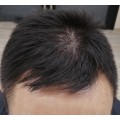

“我的名字是 Yuki。从我搬到新加坡以来,我一直有掉发的问题。这里的气候非常炎热和潮湿,这对头发生长来说并不理想。每天早上,我都会看到枕头上、浴室地板上以及几个地方掉落的头发,这让我非常担心。于是我开始尝试不同的方法让头发重新生长,购买了市场上的各种产品。然而,没有一个有效,直到我的朋友推荐了海铂斯。我看到她使用了这个产品后有了很大的变化,所以我觉得是时候试一试了。结果非常令人满意,不仅掉发停止了,而且新头发也开始长出来了。这款产品是新加坡生产的,采用天然草本成分,非常安全且易于使用。每天早上只需把生发水涂抹在头皮上,大约只需要一分钟,晚上重复同样的步骤,再搭配洗发水和发膜使用。它真的帮了我很大忙,我的头发正在重新长回来了。现在我对结果非常满意。所以我真心推荐这个产品给那些需要头发生长的人。”
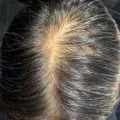
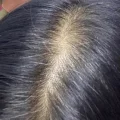
If you have been using hair tonic for white hair and started noticing a real difference, the natural next question is: how do you keep it? Reversing early signs of premature greying is only half the process. Maintaining that result over time requires a slightly different approach than the initial treatment phase, and this is the part that gets skipped most often.
This article focuses specifically on maintenance: what changes once you have seen initial results, how often to continue application, and the signs that tell you the tonic is still doing its job.
The initial phase of using hair tonic for white hair is about addressing whatever is actively contributing to premature greying, whether that is oxidative stress at the follicle, nutrient gaps, or scalp conditions that interfere with melanin production. The American Academy of Dermatology notes that once visible improvement starts to show, usually as new hair growth with more of its natural pigment intact, the goal shifts from correction to maintenance.
This distinction matters because clients sometimes assume that once results appear, the tonic can be stopped or used far less frequently. In reality, discontinuing too early is one of the most common reasons people see greying return in the same areas within a few months. Melanin production at the follicle level is only stable once the underlying cause has been addressed consistently over a longer period, not just until the first visible sign of improvement.
During the initial phase, hair tonic for white hair is typically applied more frequently to address the underlying cause. Once clear improvement is visible, application frequency can generally be reduced, but not eliminated. Most clients move from a more frequent initial routine to a lighter maintenance schedule, applied consistently rather than sporadically.
The specific frequency that works best depends on individual factors, including how advanced the premature greying was to begin with and how the scalp has responded during the initial treatment phase. This is worth discussing directly with your therapist rather than assuming a generic schedule applies, since over-reducing frequency too early is a common reason results plateau or reverse.
A few consistent signs indicate that a maintenance routine is doing what it should. New hair growth continues to show natural pigment rather than reverting to grey. Existing pigmented strands remain stable rather than gradually lightening again. And overall hair texture and scalp comfort remain consistent rather than declining, which can sometimes signal that the scalp environment is shifting in a way that could affect melanin production again.
If you notice new growth starting to come in grey again after a period of stable, pigmented growth, this is typically the clearest sign that the maintenance schedule needs to be reviewed, either the frequency needs adjusting or an underlying factor (stress, nutrition, scalp health) may have changed.
A few common factors can quietly undo maintenance progress even when the tonic itself is being used correctly. Chronic stress is one of the most significant, since elevated stress hormones are linked to oxidative changes at the follicle that can affect melanin production over time. The National Center for Complementary and Integrative Health highlights that nutritional gaps, particularly in vitamin B12, copper, and iron, can also play a role, since these nutrients are involved in the biological processes that support pigment production.
Scalp health itself matters too. A scalp dealing with excess oil, irritation, or buildup creates a less stable environment overall, which can interfere with the consistency of results even if the tonic is being applied on schedule. This is part of why pairing tonic use with a broader scalp treatment approach, rather than treating tonic as a standalone product, tends to produce more durable results.
For many clients, yes. While hair tonic for white hair can be used as a home care product on its own, combining it with periodic in-clinic scalp treatment sessions helps address any scalp-level factors (buildup, irritation, poor circulation) that could otherwise undermine maintenance progress at home. This does not need to be as frequent as the initial treatment phase, but occasional check-ins allow a therapist to assess whether the scalp environment is still supporting the results the tonic has achieved.
This combined approach is particularly useful for clients who noticed premature greying returning previously after stopping other products, since it addresses both the follicle-level and scalp-level factors rather than relying on the tonic alone.
One challenge with maintenance is distinguishing genuine regression from normal, minor variation. A single grey strand appearing here or there is not necessarily a sign that maintenance has failed; some degree of natural variation is expected even during a generally successful maintenance phase. What matters more is the overall pattern over several weeks or months rather than any single observation.
A useful approach is to check progress at consistent intervals, for example once a month under similar lighting, rather than inspecting daily. Daily inspection tends to exaggerate small, normal fluctuations and can lead to unnecessary changes to a maintenance routine that is actually working fine. If a genuine pattern of regression becomes clear over several consecutive checks, that is the point to revisit frequency or discuss the change with your therapist, rather than reacting to any single day’s observation.
It is worth being clear that maintenance is an ongoing commitment rather than a fixed endpoint. Premature greying, particularly when linked to genetics, chronic stress, or nutritional patterns, is not something that gets permanently “solved” after a set period. Realistic long-term expectations involve accepting that some ongoing, lighter-touch routine will likely be needed indefinitely to sustain results, rather than expecting a point where no further maintenance is required at all.
This is not a discouraging outcome. Most maintenance routines, once dialled in, require far less time and effort than the initial treatment phase did, while still preserving the results that took longer to achieve in the first place.
Stopping too early is one of the most common reasons premature greying returns. A reduced-frequency maintenance schedule is generally recommended instead of stopping entirely.
The clearest sign is new hair growth starting to come in grey again after a period of stable, pigmented growth. This typically means frequency needs reviewing.
Yes. Chronic stress is linked to oxidative changes at the follicle that can affect melanin production, which is why managing stress is part of a realistic maintenance approach.
For many clients, yes. Combining home tonic use with periodic in-clinic scalp treatment helps address scalp-level factors that could otherwise undermine maintenance progress.
Yes. Premature greying tied to genetics or lifestyle factors is typically managed on an ongoing basis rather than permanently resolved after one treatment phase.
If your hair tonic for white hair routine has already delivered results, the next step is protecting them. A brief scalp check-in with Hair+ Lab can confirm whether your current maintenance approach is enough or whether a small adjustment could help those results last longer.




1 Fusionopolis Way, B1-06 Connexis, Singapore 138632
30 East Coast Road, 03-22 Katong V, Singapore 428751
5 Straits View, 01-04 Marina One, Singapore 018935
1 Farrer Park Station Road #10-15 Connexion, Singapore 217562
奖项





Fusionoplois One P: 8711 8771 | 1 Fusionopolis Way, B1-06 Connexis, Singapore 138632 |
Katong-V P: 9231 2227 | 30 East Coast Road, 03-22 Katong-V, Singapore 018935 |
Marina One P: 8850 5932 | 5 Straits View, 01-04 Marina One, Singapore 018935 |



Copyright © [2026] Hair+Lab | Powered by AANDJ