
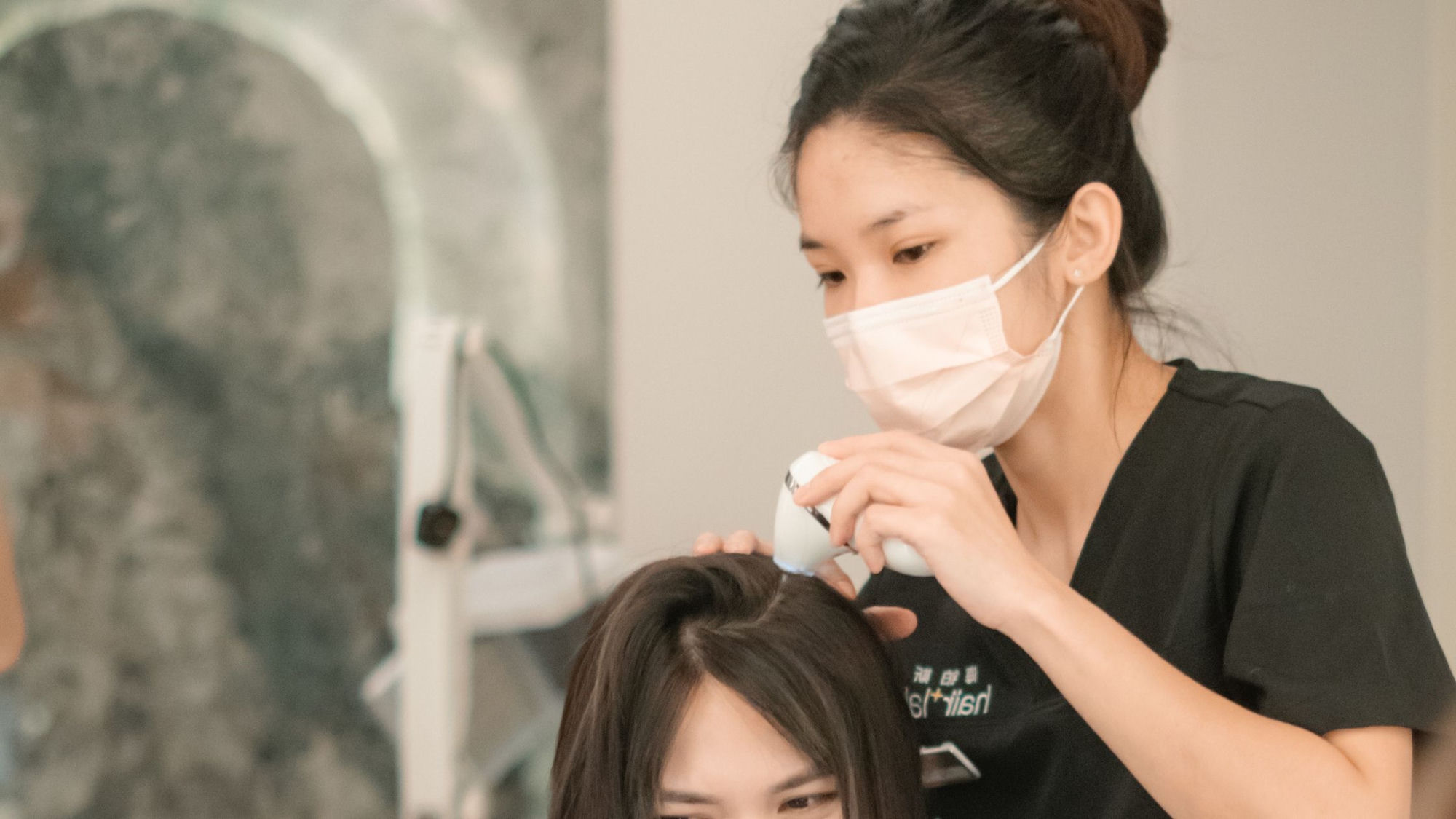
More people searching for herbal hair treatment in singapore are doing so for a specific reason: they’ve tried chemical-heavy products, found them harsh or ineffective, and are now looking for a gentler, natural-first alternative that still works. This article looks at why herbal ingredients play a meaningful role in scalp and hair recovery, how they complement — rather than replace — clinical scalp treatments, and what to realistically expect.
Why People Are Turning to Herbal Hair Care
The appeal of hair herbal treatment is straightforward once you understand what many synthetic formulations actually do to the scalp. Harsh sulfates and parabens, common in mainstream shampoos and treatments, can strip the scalp’s natural oil barrier, sometimes triggering the very dryness, irritation, or overproduction of sebum that people are trying to fix in the first place. Herbal formulations, by contrast, are generally designed to work with the scalp’s existing biology rather than aggressively stripping it.
This is particularly relevant in Singapore’s climate, where humidity and pollution already put additional stress on the scalp barrier — National Environment Agency data on local air quality highlights the environmental load Singapore scalps are routinely exposed to. Adding harsh chemical exposure on top of that can compound existing sensitivity rather than resolve it.
What Herbal Hair Care Treatment Actually Involves
Herbal hair care treatment typically draws on ingredients with a long history in traditional Chinese medicine, selected for specific roles in scalp and hair health:
- Ginseng, traditionally used to stimulate circulation to the scalp and support follicle activity.
- Chinese Angelica, associated with improved blood flow to the areas it is applied to.
- He Shou Wu, used specifically in formulations targeting hair pigment and general scalp vitality.
At HairPlus Lab, these ingredients are combined with Korean extraction methods and German nano-technology, designed to help herbal actives penetrate more effectively than a simple topical application would allow. This is part of why professional-level herbal treatment differs meaningfully from over-the-counter herbal products, which often use lower concentrations and lack any delivery technology to actually reach the follicle.
Herbal Treatment Complements Clinical Scalp Treatment — It Doesn’t Replace It
This is an important distinction. A herbal hair care treatment is not a substitute for a proper scalp diagnosis if you are dealing with an active condition like excess oil, persistent flaking, or noticeable thinning. Herbal ingredients work best as part of a broader protocol that starts with identifying what is actually happening on your scalp, then applies the right combination of herbal actives to support that specific condition.
In practice, this means a client presenting with an oily, congested scalp will receive a different herbal combination than a client dealing with dryness and sensitivity, even though both are broadly described as “herbal treatment.” The diagnostic step is what makes the herbal approach effective rather than generic — the American Academy of Dermatology likewise emphasises that scalp irritation and flaking are often signs of an underlying condition that a one-size-fits-all product won’t necessarily resolve.
Who Benefits Most From a Natural-First Approach
A herbal, natural-first approach tends to suit a few groups particularly well:
- People with sensitive or reactive scalps who have had negative reactions to harsh chemical treatments in the past.
- Those looking for a gentler maintenance routine after completing a more intensive clinical protocol.
- Anyone specifically avoiding synthetic chemicals as a matter of personal preference, without wanting to compromise on results.
- Clients pairing at-home care, such as an herbal tonic, with periodic in-clinic sessions for a more complete routine.
What to Realistically Expect
Natural does not mean instant, and it is worth setting expectations accordingly. Herbal actives generally work more gradually than aggressive chemical treatments, which can sometimes force a faster but less stable result. Most clients notice initial improvements in scalp comfort — reduced irritation, less oiliness or dryness depending on their starting condition — within the first few weeks of consistent use, with more visible hair-related changes typically emerging over one to three months as the treated follicles move through their natural growth cycle.
This gradual timeline is a feature of working with the scalp’s biology rather than against it, not a sign that the treatment isn’t working.
Pairing Herbal Treatment With a Hair Spa Session
For clients specifically interested in a gentler, relaxation-oriented way to experience herbal treatment, HairPlus Lab’s hair spa singapore sessions combine herbal formulations with a more spa-like format, ideal for ongoing scalp maintenance between more targeted diagnostic treatments. If you are dealing with a more specific concern such as excess oil, flaking, or visible thinning rather than general maintenance, it’s worth reading HairPlus Lab’s full guide to choosing a scalp treatment first, since a targeted protocol will usually outperform a general herbal routine for an active condition.
Herbal Ingredients Are Not All Equal
It’s also worth noting that not every product labelled “herbal” or “natural” delivers the same result. Concentration, sourcing, and delivery method all affect how much active ingredient actually reaches the scalp. A tea-based rinse using dried ginseng root delivers a far lower concentration than a professionally formulated extract paired with delivery technology designed to carry those actives to the follicle. This is a common reason people try a herbal remedy at home, see no change, and conclude “herbal doesn’t work” — when the formulation and delivery method were the real limiting factor.
Getting Started With Herbal Hair Treatment
If you are looking for a natural, gentler alternative to harsh chemical treatments, the most useful starting point is still a scalp analysis, so any herbal protocol recommended is matched to your actual scalp condition rather than a generic one-size-fits-all approach. HairPlus Lab’s First Trial, from $88 (usual $538), includes this diagnostic step alongside a treatment session using natural Chinese herbal extracts suited to what the analysis finds.
Frequently Asked Questions
Is herbal hair treatment as effective as chemical treatments?
Effectiveness depends on what you’re comparing and for what condition. Herbal treatments generally work more gradually and are gentler on the scalp barrier, while chemical treatments may produce faster but sometimes less stable results, particularly for sensitive scalps.
Can herbal hair care treatment help with hair loss?
Herbal ingredients like ginseng and Chinese Angelica are traditionally associated with supporting circulation and follicle activity, which can play a supporting role in a broader hair loss protocol — but a proper scalp diagnosis is still the best starting point for identifying the underlying cause.
Are herbal treatments safe for sensitive scalps?
Generally, yes — herbal formulations are typically gentler than harsh sulfate or paraben-based products, which is one of the main reasons people with reactive scalps often prefer them. A patch test or consultation is still a sensible precaution.
How is HairPlus Lab’s herbal treatment different from home remedies?
Home remedies typically use raw or unrefined herbal ingredients without any delivery technology, meaning much of the active ingredient never actually reaches the follicle. HairPlus Lab combines herbal extracts with Korean extraction methods and German nano-technology specifically to improve penetration and effectiveness.
Do I need to combine herbal treatment with a tonic at home?
It isn’t mandatory, but many clients pair in-clinic herbal treatment with a daily herbal tonic at home to maintain momentum between sessions, particularly for ongoing concerns like thinning or greying.
Conclusion
Herbal hair treatment in Singapore appeals to people looking for a gentler, natural-first path to scalp and hair recovery — and when the right ingredients are combined with proper diagnosis and effective delivery technology, that gentler approach can still produce meaningful results. HairPlus Lab’s herbal protocols are built on natural Chinese herbal extracts, always starting with a scalp analysis so the treatment actually matches your condition. Book your scalp analysis and First Trial from $88 (usual $538) at HairPlus Lab to start your herbal hair care journey.


