
One of the most common questions we hear after a client’s first scalp treatment singapore session is some version of: “Should I be seeing a difference already?” It is a fair question, and the honest answer is usually no, not yet, and that is completely normal.
Scalp treatment works with the body’s biological processes rather than against them, which means results build progressively rather than appearing after a single visit. This article explains what is actually happening session by session, so you know what to expect and how to track genuine progress rather than judging results too early or too late.
Why One Session Is Rarely Enough
A scalp treatment session addresses whatever the diagnosis reveals, whether that is excess sebum, clogged follicles, dandruff, or general irritation. But the scalp does not “reset” after one treatment. Mayo Clinic notes that sebum production, inflammation, and follicle health are ongoing processes that typically build up over months or years, not overnight. A single session can meaningfully improve the immediate scalp environment, but the deeper, more lasting shift, including any improvement in hair growth, follows the hair’s own growth cycle, which unfolds over weeks, not days.
This is why comparing a scalp treatment session to something like a facial isn’t quite accurate. A facial can visibly change how skin looks within hours. Scalp treatment is closer to a cumulative wellness routine, where each session builds on the last rather than delivering an isolated result.
What Changes After the First Session
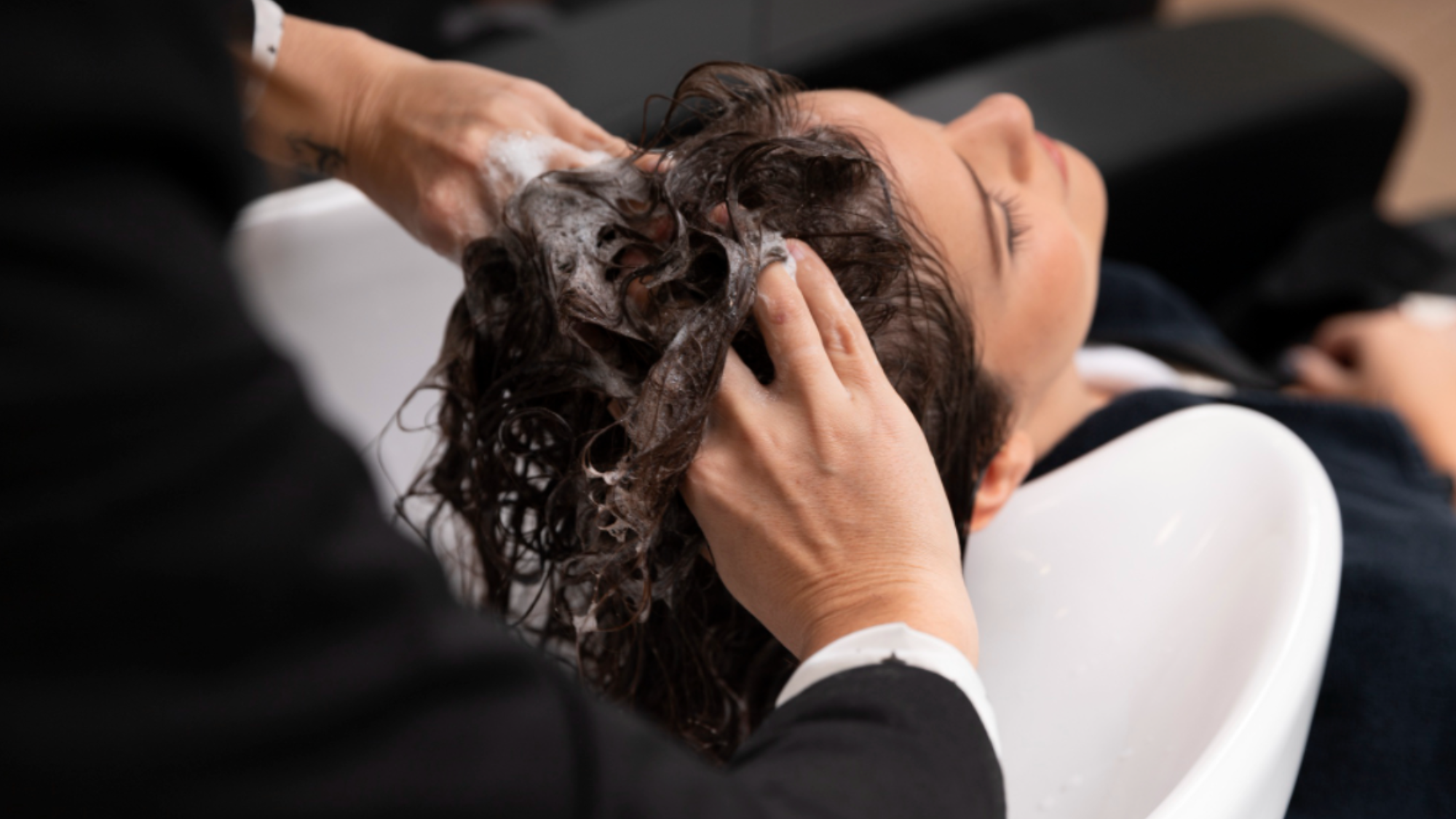
The first scalp treatment singapore session is primarily diagnostic and preparatory. A scalp scan identifies what is actually happening beneath the surface, deep cleansing removes built-up product residue and excess oil, and the initial application of treatment (herbal mask, massage, red light therapy) begins addressing the specific issue identified.
Most clients notice an immediate difference in how the scalp feels: less tightness, reduced itchiness, and a general sense of the scalp being “lighter.” This is a real, meaningful change, but it reflects surface-level improvement rather than a shift in the hair growth cycle itself, which takes longer to show.
What Changes By Sessions Three To Five
By the third to fifth session, most clients are past the diagnostic phase and into a more targeted treatment rhythm. This is typically when scalp condition stabilises meaningfully; issues like dandruff or excess oiliness become noticeably less frequent between visits, rather than returning to baseline each time.
This stage is also where clients often first notice early hair-related changes, such as reduced shedding when washing or brushing, or a scalp that no longer feels reactive to products it used to react to. The American Academy of Dermatology notes that these are meaningful early indicators, though visible improvements in hair density or thickness typically take longer still, since new hair growth follows its own biological timeline.
What Changes By Session Six Onward
From around the sixth session onward, many clients begin to see the changes they originally came in for: visibly reduced hair fall, a scalp environment that supports healthier follicles, and in some cases early signs of regrowth in areas that had thinned. This is the stage where the cumulative effect of consistent scalp treatment becomes most apparent, because the scalp has had sufficient time to stabilise and the hair growth cycle has had a chance to respond to that improved environment. For clients whose main concern was thinning rather than scalp comfort alone, this is often the point where scalp treatment is paired with a dedicated hair growth treatment plan, or a hair loss treatment plan for more advanced cases, to build on the foundation the scalp work has already established.
It is worth noting that this timeline varies by individual. Someone starting with mild, recent scalp issues will typically progress faster than someone addressing years of untreated buildup or chronic irritation. This is part of why an initial diagnosis matters so much, as it sets realistic expectations from the very first visit rather than a generic timeline that may not apply.
Why Results Can Appear To Plateau Mid-Treatment
Some clients report a noticeable improvement in the first few sessions, followed by a period where progress seems to slow or plateau. This is a normal part of the process rather than a sign that treatment has stopped working. The scalp’s initial response to treatment (reduced surface irritation, improved comfort) tends to happen relatively quickly, while the deeper changes tied to the hair growth cycle take longer to catch up. A brief plateau between these two phases is common and typically resolves as treatment continues on schedule.
If a plateau extends well beyond what is expected for your specific scalp condition, this is worth raising directly with your therapist, since it may indicate the treatment plan needs a small adjustment rather than more of the same approach.
Why Consistency Matters More Than Intensity
A common assumption is that a more intense or frequent treatment schedule produces faster results. In practice, consistency at the recommended interval outperforms sporadic, intense bursts of treatment. The scalp responds to a steady, predictable rhythm of cleansing and treatment far better than to irregular sessions spaced too far apart followed by a sudden cluster of visits. Skipping sessions and then trying to “catch up” with back-to-back appointments does not accelerate the underlying biological timeline. If anything, gaps in treatment allow sebum, buildup, and irritation to return to baseline between visits, meaning each subsequent session partially restarts the process rather than building on the last one.
This is why the recommended schedule from your first scalp scan matters. It is calibrated to your scalp’s condition, and following it closely tends to produce a better outcome by the six-to-eight session mark than an inconsistent approach.
How To Track Your Own Progress
Rather than relying on how the scalp “feels” in the moment, which can vary day to day, it helps to track a few consistent markers between sessions: how much hair sheds during washing or brushing, how quickly the scalp feels oily or itchy after a session, and whether any specific problem area (a patch of thinning, a persistently dandruff-prone area) is showing gradual improvement. Photos taken under consistent lighting every few sessions can also make gradual change easier to notice than relying on memory alone.
Frequently Asked Questions
How many sessions of scalp treatment does it usually take to see results?
Most clients begin noticing early changes such as reduced scalp irritation within the first few sessions, with more visible hair-related improvements typically building from around the sixth session onward.
Is it normal for progress to feel slow in the middle of treatment?
Yes. A temporary plateau between early surface improvement and later hair growth changes is common and does not necessarily mean the treatment plan needs to change.
Can I speed up results by getting sessions more frequently?
Session frequency should be guided by your scalp diagnosis rather than assumption. More frequent sessions are not always better, particularly if the scalp needs time to recover between treatments.
What if I don’t see any change after several sessions?
This is worth discussing directly with your therapist, as it may indicate the treatment plan needs adjusting to better match your specific scalp condition.
Does scalp treatment help with hair growth directly, or just scalp comfort?
Both. Improved scalp health (circulation, reduced inflammation, balanced sebum) creates a better environment for hair growth, which is why hair-related improvements typically follow scalp comfort improvements rather than appearing first.
Understanding this progression helps you stick with a treatment plan long enough to see real results, instead of giving up before the changes that matter most begin to show. If you are partway through your own scalp treatment journey and unsure whether progress is on track, a quick check-in with a therapist at Hair+ Lab can help set realistic expectations.
REFERENCES:
- American Academy of Dermatology Association (2023). Hair Care Tips for Healthier Scalp and Hair. AAD. https://www.aad.org/public/everyday-care/hair-scalp-care
- Mayo Clinic (2023). Hair Loss: Symptoms and Causes. Mayo Clinic. https://www.mayoclinic.org/diseases-conditions/hair-loss/symptoms-causes/syc-20372926


