A hair spa treatment is one of the few self-care appointments that feels as good as it sounds, but the most common question clients ask is a practical one: how often should I actually book one? The honest answer depends on your scalp type, your lifestyle and what you want the session to achieve. Singapore’s climate adds its own twist, because heat, humidity and daily sweat change how quickly the scalp builds up oil and residue between visits.
What a Hair Spa Treatment Actually Does
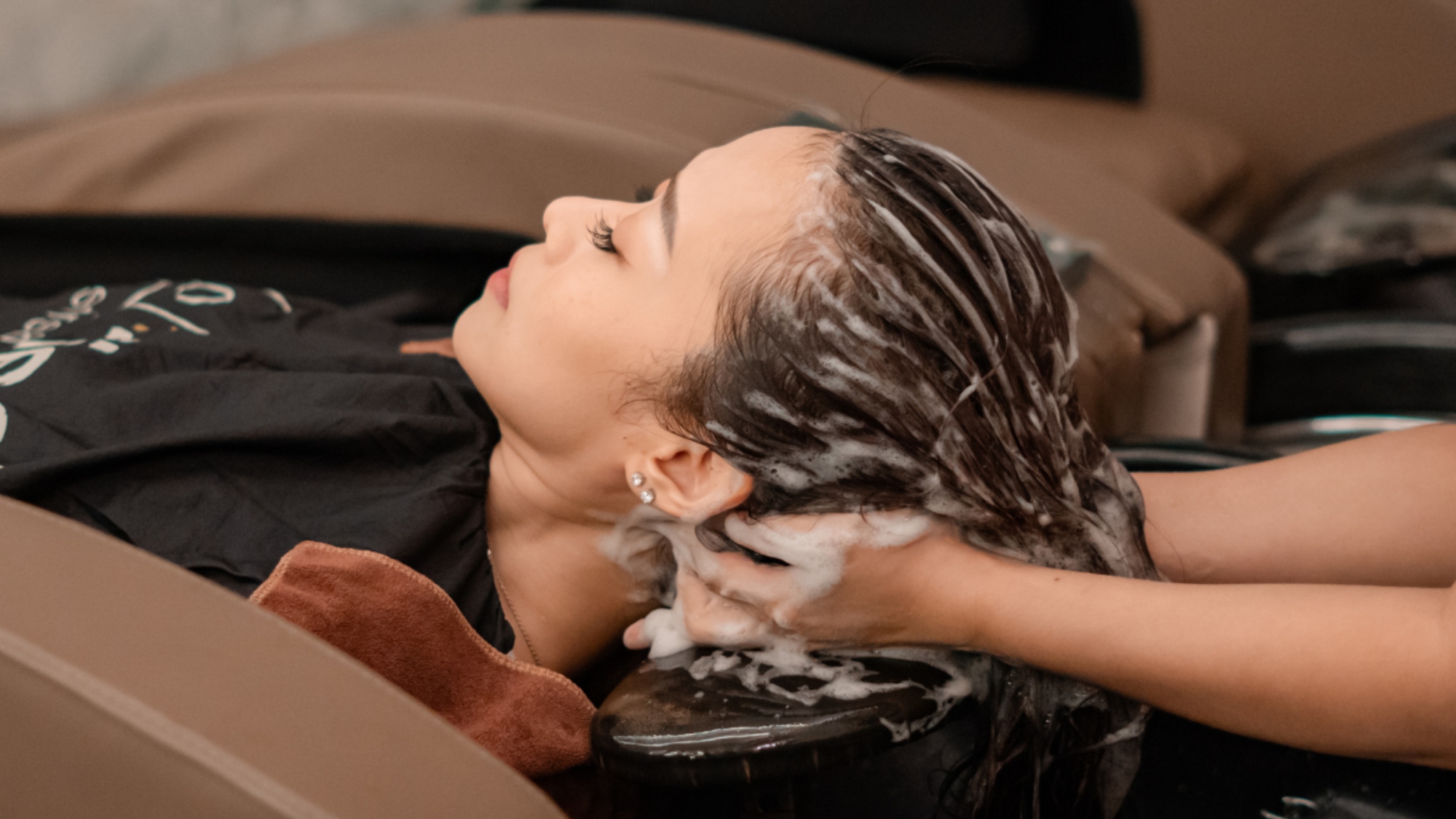
A good hair spa treatment combines cleansing, conditioning and scalp massage in one session. The cleansing step clears oil, sweat and product buildup that regular shampooing can miss. The mask or treatment step conditions the scalp and hair. The massage relaxes the scalp muscles and, according to some research, may do more than simply feel pleasant.
A small study published in Eplasty by Koyama and colleagues found that four minutes of standardised scalp massage a day for 24 weeks was associated with increased hair thickness in healthy men, likely because stretching forces reached the dermal papilla cells at the base of the follicle. A spa session is not a daily routine, but it shows that massage is a meaningful part of scalp care rather than a purely cosmetic extra.
Why Singapore’s Climate Changes the Answer
In a temperate climate, a monthly spa visit might be plenty for most people. In Singapore, the combination of humidity, outdoor heat and air-conditioned offices creates a cycle of sweating and drying that many scalps react to. Oil and sweat mix with styling products and pollution, and the result can be an itchy, heavy scalp that never feels fully clean.
For scalps that tend towards oiliness or flaking, this matters. Clinical references such as StatPearls on seborrhoeic dermatitis note that oily areas of the scalp are where Malassezia yeast thrives, and that flare-ups are commonly linked to factors such as heat, humidity and stress. A regular deep cleanse helps keep that environment in check between washes at home.
How Often to Book, by Scalp Type
There is no single schedule that suits everyone, but these general patterns are a useful starting point:
- Oily or easily congested scalp: every two to three weeks, so buildup is cleared before it starts to cause itching or flaking.
- Normal scalp with no specific concerns: every four weeks, as regular maintenance and a reset from daily styling.
- Dry or sensitive scalp: every four to six weeks, with gentler cleansing and a more conditioning mask.
- Scalp with thinning or noticeable hair fall: spa visits can support scalp health, but a structured treatment programme with regular reassessment is usually more appropriate.
- Before a big event or after a stressful period: a one-off session is fine, but it works best on top of a regular routine rather than as a substitute for one.
Your therapist should adjust this after looking at your scalp, because the right interval depends on what they see rather than on a fixed rule.
Hair Spa Versus Scalp Treatment: Which One Do You Need?
The line between a spa visit and a scalp treatment is easy to blur. A spa session is primarily about maintenance and relaxation, while a scalp treatment is built around a specific concern and tracked over time. If you are mainly after a clean, calm scalp and some downtime, a spa visit fits. If you are dealing with persistent oiliness, flaking or thinning, a structured scalp treatment singapore programme makes more sense, with spa visits used for maintenance once the concern is under control. Pricing considerations for both routes are covered in Scalp Treatment Singapore Price: What a First Trial Should Include Before You Commit.
What to Look for in a Hair Spa Singapore Session
Not every spa session is built the same way, so it is worth knowing what separates a good one from a basic wash and massage. At a well-run hair spa singapore session, look for:
- A scalp scan at the start, so the cleanse and mask are chosen for your scalp rather than taken from a standard menu.
- A deep cleanse that targets oil and residue without leaving the scalp tight or stripped.
- A herbal or conditioning mask chosen around the scan findings.
- A proper scalp massage, not a rushed rub during rinsing.
- Light therapy to round off the session, where available.
At HairplusLab, every spa visit starts with a full scalp scan, followed by a herbal mask, scalp massage and red light therapy. Low-level red light has been studied as a supportive therapy for follicle activity, as summarised in a review by Avci and colleagues, which makes it a sensible addition to a session focused on scalp health.
Signs It Is Time to Book Sooner
Your scalp often tells you when the interval between sessions is too long. Itching that starts a day or two after washing, hair that looks flat and greasy by mid-afternoon, small flakes on dark clothing, or a heavy, tight feeling at the crown are all signs that buildup is returning faster than your current schedule clears it. Changes in routine can trigger this too. A new gym habit, a stretch of outdoor work, a holiday in a different climate or a period of poor sleep and stress can all shift how your scalp behaves. When you notice these signs, bring your next appointment forward rather than waiting it out, and mention the changes to your therapist so the cleanse and mask can be adjusted.
Keeping Results Going Between Visits
What you do at home determines how long a spa session’s benefits last. A few habits make a noticeable difference in Singapore’s climate:
- Wash after heavy sweating rather than leaving sweat to dry on the scalp overnight.
- Use a gentle, scalp-focused cleanser. A shampoo for hair growth is designed to cleanse without being harsh on the scalp.
- Dry your scalp properly instead of tying up damp hair.
- Avoid heavy oils and waxes at the roots if your scalp tends to be oily.
If you notice more hair fall between sessions, a spa visit alone is not the answer. That is the point to book a proper assessment and consider a targeted hair loss treatment singapore plan.
Frequently Asked Questions
How often should I get a hair spa treatment in Singapore?
Most people do well with a session every two to six weeks, depending on how oily or sensitive their scalp is.
Can a hair spa treatment help with hair fall?
It can support a healthier scalp, but persistent hair fall usually needs a structured treatment plan and regular scalp assessments.
Is a hair spa suitable for coloured or chemically treated hair?
Generally yes, but let your therapist know about any recent colouring so they can adjust the cleanse and mask.
How long does a hair spa session take?
Sessions usually take around an hour, including the scan, cleanse, mask, massage and light therapy.
Should I wash my hair before a hair spa appointment?
There is no need, as the session includes a deep cleanse. Simply avoid heavy styling products on the day.
Book Your Next Reset
The right hair spa schedule is the one matched to your scalp. Book a hair spa session at any of the four HairplusLab outlets and start with a scan to find your ideal interval.
REFERENCES
Koyama, T. et al. (2016). Standardized Scalp Massage Results in Increased Hair Thickness by Inducing Stretching Forces to Dermal Papilla Cells in the Subcutaneous Tissue. Eplasty, PubMed Central (PMC). https://pmc.ncbi.nlm.nih.gov/articles/PMC4740347/
StatPearls Publishing. (2024). Seborrheic Dermatitis. StatPearls, National Center for Biotechnology Information (NCBI), NIH. https://www.ncbi.nlm.nih.gov/books/NBK551707/
Avci, P. et al. (2014). Low-Level Laser (Light) Therapy (LLLT) for Treatment of Hair Loss. Lasers in Surgery and Medicine, PubMed Central (PMC). https://pmc.ncbi.nlm.nih.gov/articles/PMC3944668/